


The maintenance of Christmas tree valves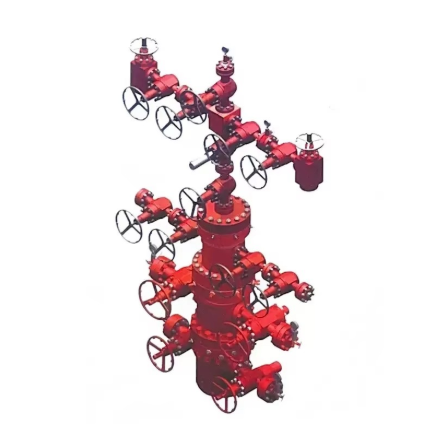 (wellhead equipment valves) should focus on four core aspects: anti-corrosion, sealing integrity, flexibility, and strict compliance. Key operations should be carried out on a regular basis to ensure long-term reliable operation.
I. Core Maintenance Cycles and Grading
Daily Inspection: Appearance leakage, instrument status, operational flexibility
Monthly Maintenance: Lubrication, cleaning, greasing, actuator function check
Repair and Overhaul: Disassembly inspection, seal replacement, pressure test, calibration
Special Testing: Integrity test (AIT), safety valve calibration, valve function verification
II. Key Maintenance Operations and Points
1. Leak Detection (Top Priority)
- External Leaks: Use soapy water or specialized leak detection fluid to check the valve stem seal, flange connections, and grease injection ports. Address any leakage immediately (replace the packing if it fails, and loosen the bonnet if it is too tight).
- Internal Leaks: Determine through changes in downstream pressure or flow. Minor leaks can be repaired by injecting sealant; for severe cases, shut down the system and grind the sealing surface or replace the internal components.
- Subsea Valves: Rely on ROVs (Remotely Operated Vehicles) in conjunction with specialized detection equipment to ensure no leakage before deployment for maintenance.
2. Operational Performance Maintenance
- Regular Opening and Closing: For valves that are not operated frequently (such as standby valves), perform a small opening and closing every quarter and reset them to prevent valve stem rust and jamming. It is recommended to operate them 4-6 times a year under no pressure differential conditions.
- Torque Control: Do not use a torque multiplier to exceed the torque limit when operating manual valves to avoid damaging the handwheel, valve stem, or sealing surface. For electric or pneumatic valves, verify the torque switch to prevent over-torque damage.
- Position Indication: Verify that the position indicator matches the actual position. Calibrate or replace the indicator promptly if there is a fault.
3. Lubrication and Greasing Specifications
- Lubrication Points: Focus on lubricating the valve stem, bearings, gearboxes, and gate guide rails, and use lubricants compatible with the medium (use lithium-based grease at normal temperatures, polyurea-based grease at high temperatures, and fluorine-based grease in corrosive environments).
- Greasing Operations: Grease ball valves when they are in the open position and gate valves when they are in the closed position to avoid excessive greasing that could cause high pressure in the valve cavity. After greasing, manually operate the valve 1-2 times to ensure even distribution of the grease.
- Sealant Injection: For valves with internal leaks, inject sealant through the dedicated grease injection port. After injection, vent and depressurize; do not inject under excessive pressure.
4. Cleaning and Anti-corrosion
- Surface Cleaning: Remove oil, salt deposits, and sand from the valve body, flanges, and bolts to prevent corrosion. For subsea valves, pay special attention to removing marine organisms.
- Anti-corrosion Treatment: Timely touch up damaged anti-corrosion coatings, and apply anti-rust oil to bolts, nuts, and other fasteners to prevent rusting and seizing.
- Valve Cavity Maintenance: After maintenance, blow out the valve cavity with clean medium or nitrogen to prevent residual iron filings and welding slag from scratching the sealing surface.
III. Maintenance Requirements for Special Scenarios
1. Subsea Christmas Tree Valves
- Obtain work permits before operations, conduct safety briefings, and ensure personnel have underwater operation qualifications.
- Rely on ROVs to complete underwater inspections, greasing, and repairs to avoid risks associated with human divers.
- Conduct integrity tests after maintenance to ensure compliance with subsea environmental safety standards.
2. Long-Term Idle Valves
- After closing, rotate 1/4 to 1/2 turn to prevent excessive tightening from causing seal surface failure.
- Perform an “activity maintenance” once a month by slightly opening and closing the valve and then resetting it to prevent seal aging and valve stem jamming.
- Regularly check the sealing performance to avoid leakage due to seal failure caused by long-term idleness.
IV. Safety and Compliance Requirements
1. Work Permits: Before maintenance, work permits for hot work, confined space, and high-altitude operations must be obtained, and safety measures such as isolation, pressure relief, and displacement must be implemented.
2. Personnel Qualifications: Maintenance personnel must undergo professional training, hold relevant certificates, and be familiar with valve structure, operation norms, and emergency procedures.
3. Record Keeping: Detailed records of maintenance time, content, replaced parts, test data, etc. should be kept, and a complete maintenance file should be established for easy traceability.
4. Compliance Standards: Strictly follow industry standards such as API 6A and NACE to ensure maintenance quality meets regulatory requirements.
V. Quick Solutions to Common Problems
1. Stuck Valve Stem Operation
Possible Causes: Excessive packing tightness, rust, or foreign object obstruction.
Solutions: Loosen the gland cover moderately, lubricate the valve stem, and remove foreign objects.
2. External leakage
Possible causes: packing failure, loose flange bolts, damaged sealing surface.
Treatment measures: replace packing, tighten bolts, repair sealing surface.
3. Internal Leakage
Possible Causes: Wear of the sealing surface, obstruction by foreign objects, insufficient sealing agent.
Treatment Measures: Inject sealing agent, grind the sealing surface, remove foreign objects.
4. Actuator Failure
Possible Causes: Insufficient air supply / hydraulic pressure, motor failure, limit switch failure.
Remedial Measures: Check the power source, repair the motor, calibrate the limit switch.
Maintaining the core lies in prevention first. By conducting regular inspections, standardizing operations, and promptly addressing potential hazards, the risk of valve failures can be significantly reduced, and the service life can be prolonged. It is recommended to formulate personalized maintenance plans based on the on-site working conditions (such as medium, pressure, and environment), strictly follow the standard procedures, and ensure the safe and stable operation of the wellhead equipment.
Post time: Apr-14-2026


