


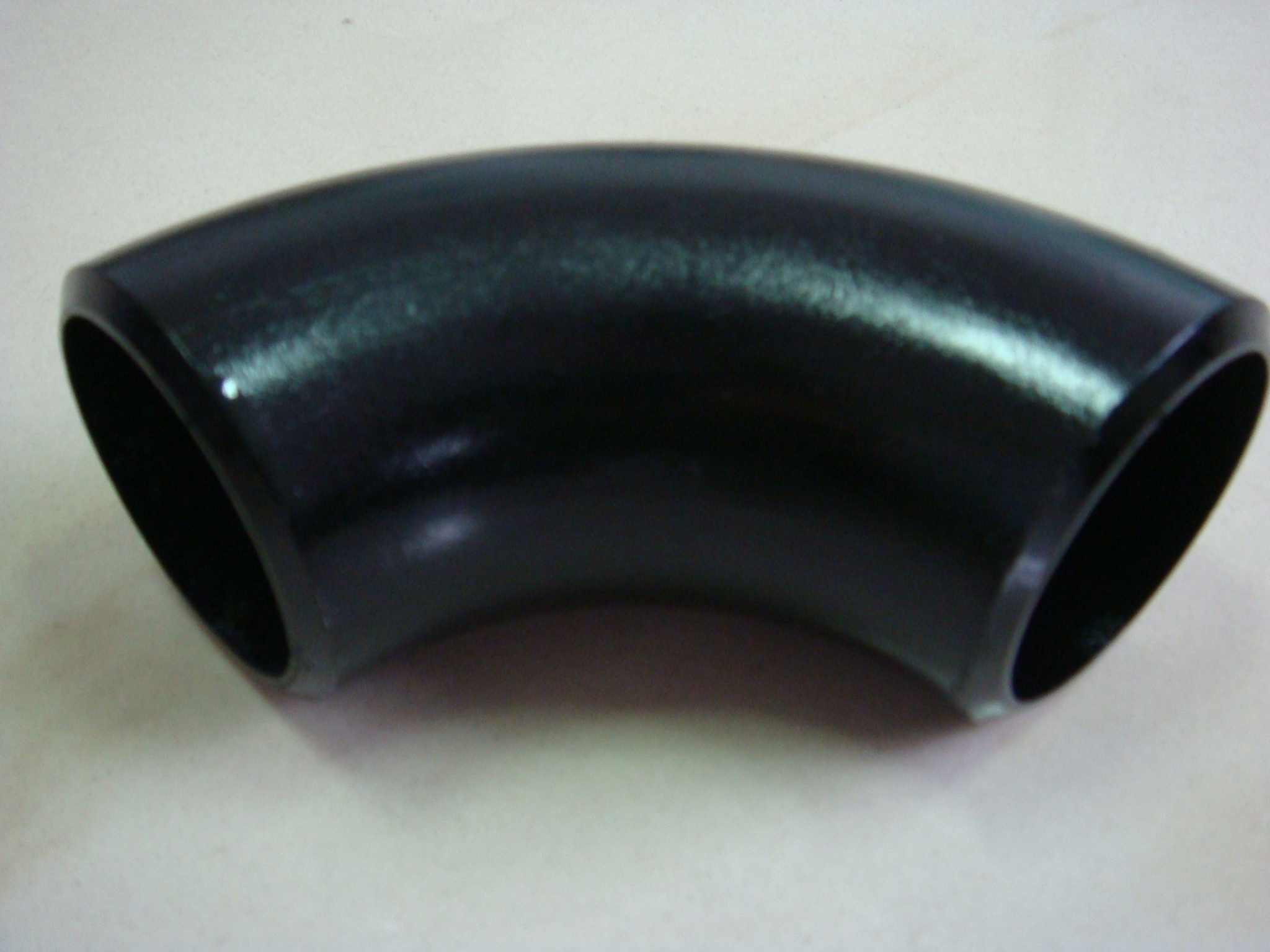
The bending radius of an elbow is usually 1.5 times the pipe diameter (R=1.5D), which is called a long-radius elbow; if the radius equals the pipe diameter (R=D), it is called a short-radius elbow. Specific calculation methods include the 1.5 times pipe diameter method, trigonometric method, etc., and should be chosen according to the actual application scenario
Common classifications:
Long-radius elbow: R=1.5D, suitable for situations requiring low fluid resistance (such as chemical piping).
Short-radius elbow: R=D, suitable for space-constrained situations (such as internal building piping).
Calculation methods:
1.5 times pipe diameter method:
Formula: Bending radius = Pipe diameter × 1.524 (rounded to the nearest integer).
Trigonometric method:
Suitable for non-standard angle elbows, the actual radius needs to be calculated based on the angle.
Application scenarios:
Long-radius elbow: Reduces fluid resistance, suitable for long-distance transportation.
Short-radius elbow: Saves space but may increase energy consumption.
Post time: Nov-21-2025


