-
China has imposed restrictions and controls on steel products?
According to the latest regulatory policies, China’s current export of steel products is not a complete ban, but rather an export license management system will be officially implemented starting from January 1, 2026. This means that products falling under the controlled range of the Harm...Read more -
What is SAF2205?
SAF2205 is a classic grade of duplex stainless steel developed by Sandvik, originally meaning Sandvik Austenite Ferrite. It is renowned for its high strength and excellent resistance to chloride stress corrosion, and is regarded as a watershed material for upgrading from common stainless steels ...Read more -
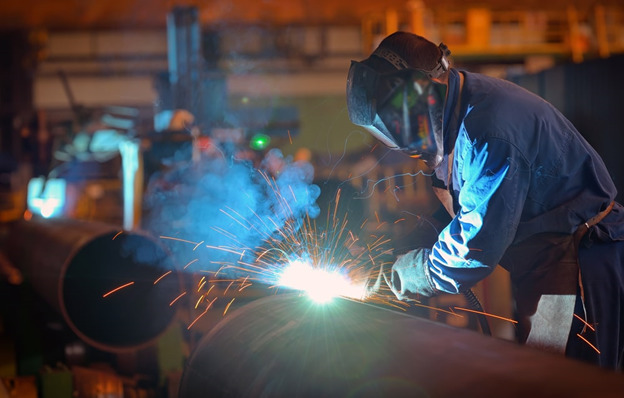
What is the historical development process of pipe forging technology?
The history of pipe fitting forging technology is very long, and its core idea can be traced back to the Neolithic Age when humans began to use metals. Phase One: Ancient Hand Forging From the end of the Neolithic Age to around 2000 BC, China had already applied cold forging techniques to make ...Read more -
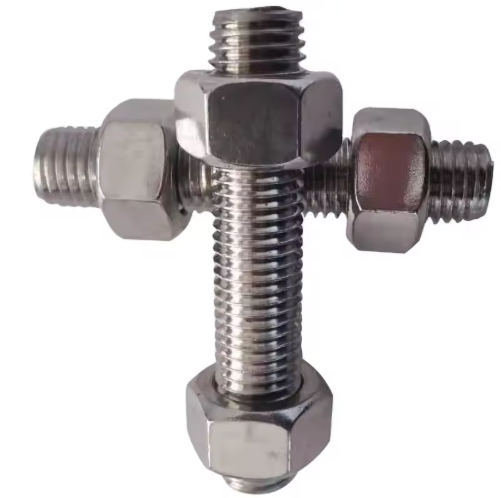
Why are there differences between British standard and American standard threads, and why are these differences not significant?
They have many differences: 1. First, look at the thread angle The most accurate method is to measure with a thread gauge. 60° is for the American standard, and 55° is for the British standard. If no tools are available, for pipe threads, you can observe the sealing method: American standard NP...Read more -
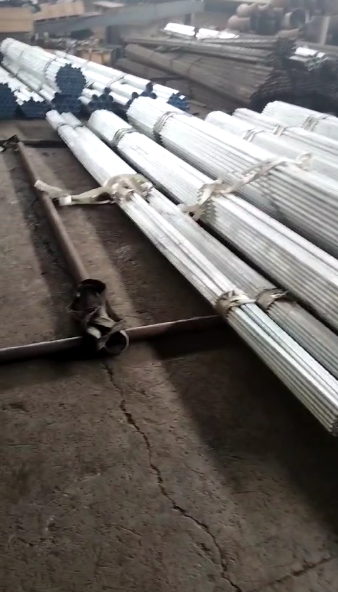
Why is the pipeline industry still indispensable?
The metal pipe industry has not been phased out. On the contrary, it has found an unshakable space for survival and development in the new era due to its continuous innovation in key areas and its irreplaceable unique performance. Mainly because metal pipes undergo self-renewal Technical core: Th...Read more -
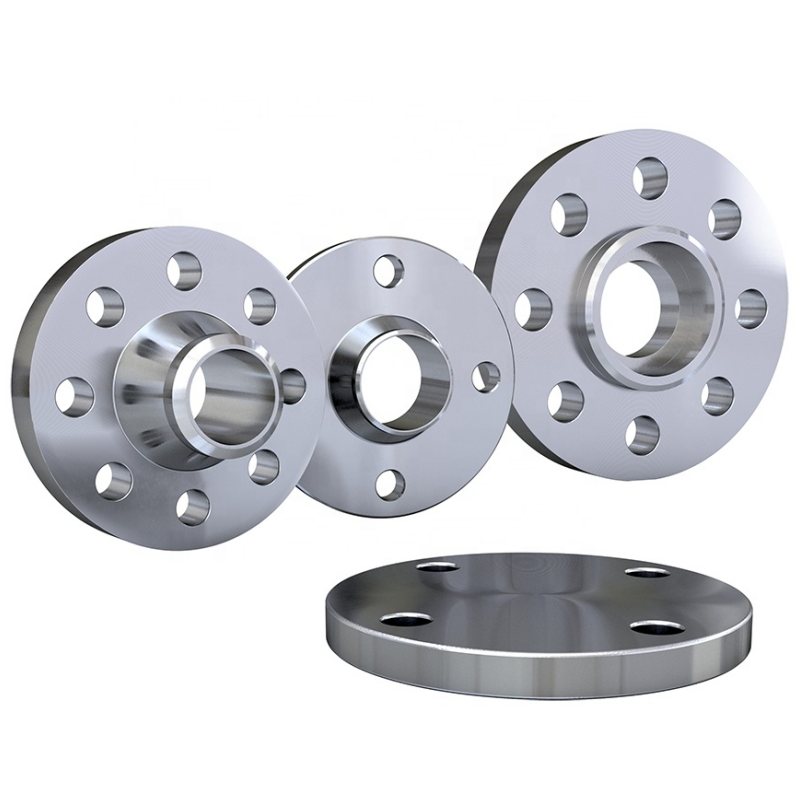
Perfect flange manufacturing process
Our carbon steel flanges adopt a more stable production process, starting from the selection of high-quality raw materials. Each batch of steel is rigorously tested to ensure compliance with standards,laying a stable foundation for production. Our core technology lies in mature forging and machin...Read more -
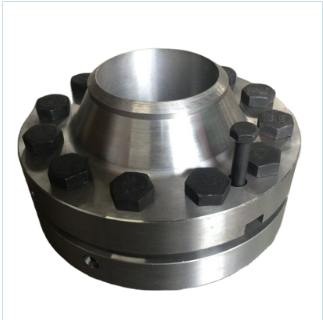
What is ASME B16.5 and why should we follow this standard?
\”AMSE B16.5\” actually refers to the industrial pipe flange standard formulated and maintained by the American Society of Mechanical Engineers (ASME), and it is the core representative standard of the \”American Pipe Flange System\”. Generally, ASME B16.5 is applicable t...Read more -
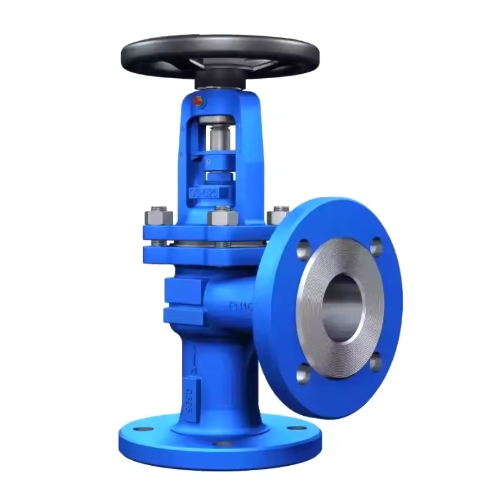
The application and features of flange valves in our daily life
Flanged valves are very common and highly effective in industrial pipelines. From factory production lines to urban underground networks, they silently safeguard the transportation processes of various fluids such as water, oil, and gas, ensuring everything runs smoothly. This type of valve is s...Read more -
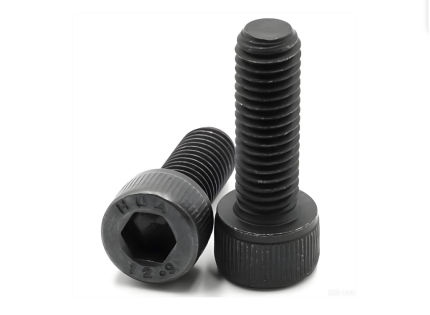
What grade is the hardest bolt in the world?
Before understanding the bolt grades, we need to first know what hardness ordinary bolts have. The 4.8-grade bolts are almost used in both household and daily life. For the assembly of ordinary furniture, lightweight shelves, motor housing fixation, ordinary boxes, and some non-structural civili...Read more -
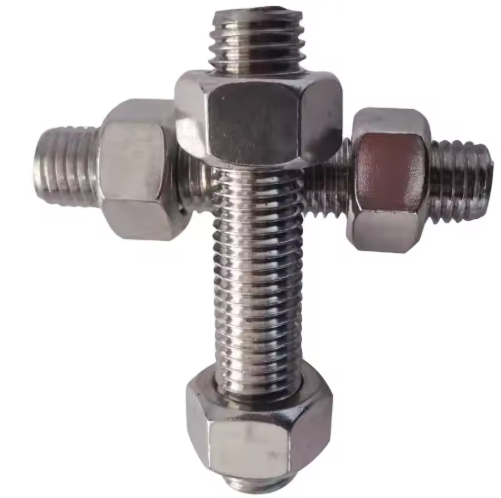
What’s different for bolts of different grades
Performance grade 4.8 Lugs of this grade can be used for assembling ordinary furniture, fixing internal components of household appliances, general lightweight structures, and temporary fixation with low strength requirements. Performance grade 8.8 This grade of bolts can be used for automotiv...Read more -
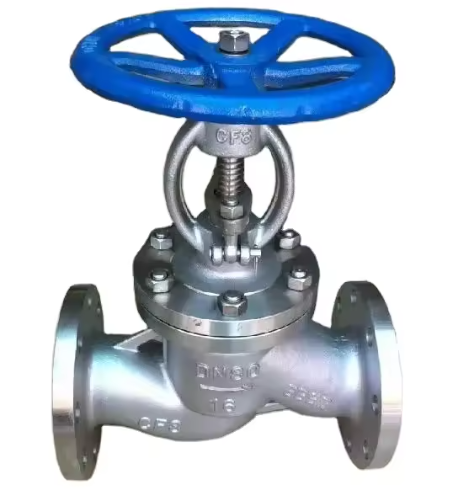
Why choose globe valves
https://www.czitgroup.com/cast-steel-globe-valve-product/ 1. Precise flow regulation capability Excellent throttling control: The linear or parabolic motion between the valve core (valve disc) and the valve seat allows for fine adjustment of the flow. The valve opening is proportional to the f...Read more -
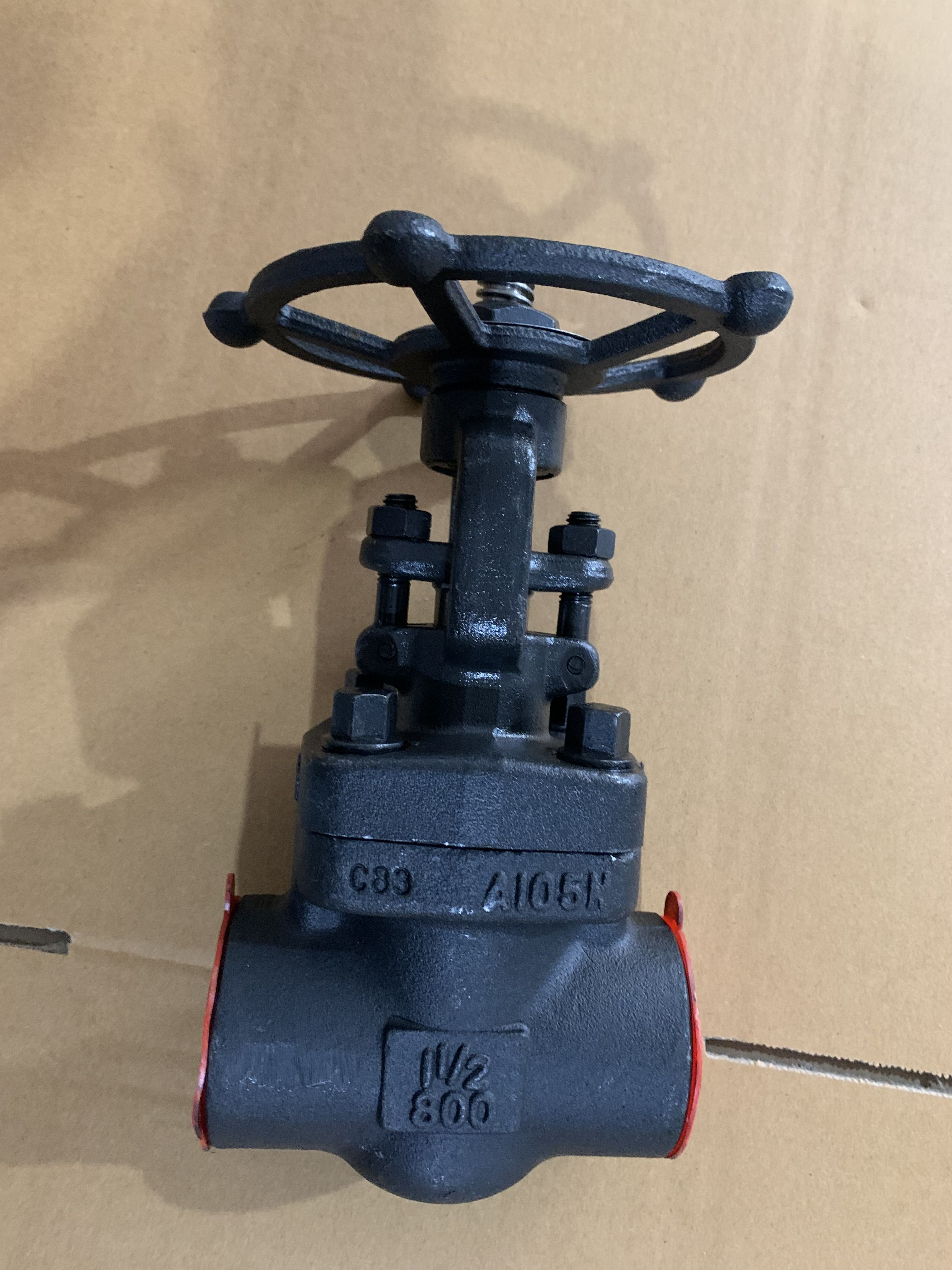
Why choose gate valves?
https://www.czitgroup.com/forged-steel-gate-valve-product/ 1. Low flow resistance and low flow resistance coefficient When the gate valve is fully open, the valve body channel is basically the same as the inner diameter of the pipeline, and water can pass through almost i...Read more